
Human Reproductive System: Structure, Functions, and Importance
The human reproductive system is responsible for reproduction and continuation of life. This detailed guide explains male and female reproductive organs, their functions, and the process of reproduction.
The human reproductive system is a complex and vital biological system responsible for the production of offspring. Unlike other body systems, it becomes fully functional only after puberty and plays a key role in the continuation of the human species.
Reproduction in humans occurs through sexual reproduction, involving two individuals — a male and a female. Each contributes specialized reproductive cells known as gametes, which combine to form a new organism.
The human reproductive system is divided into two main types: the male reproductive system and the female reproductive system. Though their structures and functions differ, both systems work together to achieve reproduction.

Diagram of the male reproductive system
The male reproductive system is responsible for producing and delivering male gametes called sperm. It also produces the hormone testosterone, which regulates male secondary sexual characteristics.
The main organs of the male reproductive system include the testes, epididymis, vas deferens, seminal vesicles, prostate gland, urethra, and penis. Each organ plays a specific role in sperm production, storage, and transport.
The testes are the primary reproductive organs in males. They produce sperm through a process called spermatogenesis and also secrete testosterone, which influences muscle mass, voice deepening, and body hair growth.

Diagram of the female reproductive system
The female reproductive system is designed to produce female gametes called ova (eggs), facilitate fertilization, and support the development of a fetus during pregnancy.
The major organs of the female reproductive system include the ovaries, fallopian tubes, uterus, cervix, and vagina. In addition, mammary glands play a role in nourishing the newborn after birth.
The ovaries are the primary reproductive organs in females. They produce ova and secrete hormones such as estrogen and progesterone, which regulate the menstrual cycle and pregnancy.
During ovulation, a mature egg is released from the ovary and travels through the fallopian tube. Fertilization usually occurs in the fallopian tube when a sperm fuses with the egg.
If fertilization occurs, the zygote undergoes multiple divisions and implants itself in the uterine wall. The uterus provides a protective and nourishing environment for the developing embryo and fetus.
If fertilization does not occur, the uterine lining sheds during menstruation, marking the beginning of a new menstrual cycle.
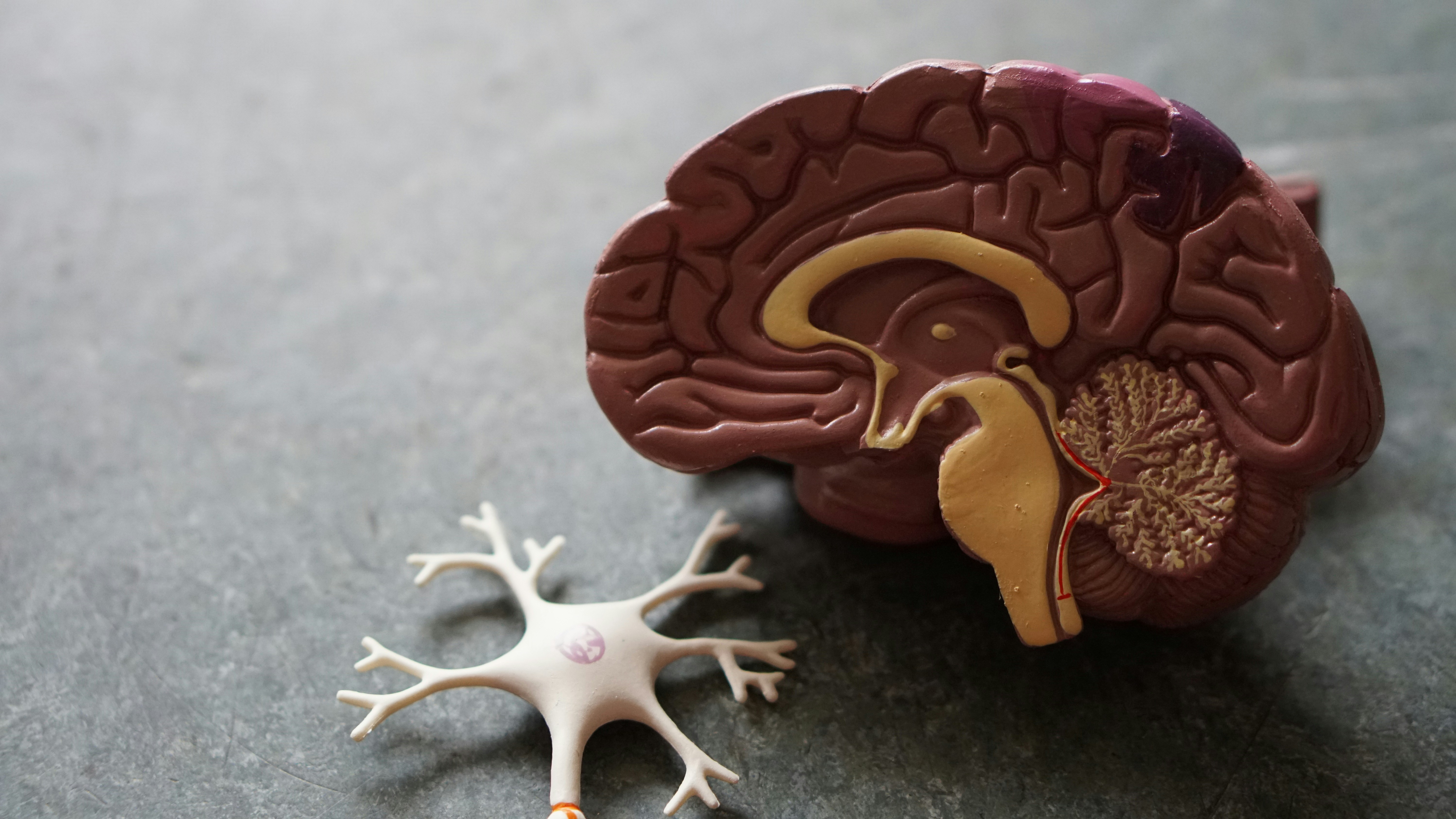
Microscopic view related to human reproduction
Hormones play a crucial role in regulating the reproductive system. In males, testosterone controls sperm production and physical development, while in females, estrogen and progesterone regulate ovulation, menstruation, and pregnancy.
Proper functioning of the reproductive system is essential not only for reproduction but also for overall health. Hormonal imbalances or reproductive disorders can affect physical, emotional, and mental well-being.
Education about the human reproductive system is important for understanding body changes during puberty, maintaining reproductive health, and making informed decisions related to family planning.
In conclusion, the human reproductive system is a finely coordinated system that ensures the survival of the human species. Understanding its structure and functions helps promote awareness, health, and responsible behavior.